Philo's work is somewhat enigmatic. For instance, he uses Plato's theory of Ideas in De specialibus legibus I.329 to explain how the Hebrew God made the cosmos: "God created the universe, but without being personally involved in this task, because he, being perfectly blessed, could not enter into contract with indefinite and confused matter. He made use of... Continue Reading →
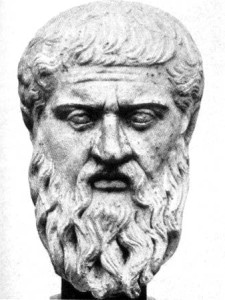
Plato: Part III of Ineffable God: The Jewish (rather than Platonic) Roots of Gnosticism
This is a series on the relationship between Greek philosophy and gnostic literature. To start with the first post, please go here. This post looks at Plato, Middle Platonism and the influence of other Greek philosophies on Middle Platonism regarding negative theology and the concept of an ineffable deity, drawing largely from Deirdre Carabine's book on... Continue Reading →
Apocryphon of John, Part II of Ineffable God: The Jewish (rather than Platonic) Roots of Gnosticism
In the previous post, I provided an overview of this series, in which I will look at Platonic thought, Philo of Alexandria and the gnostic text Apocryphon of John in order to argue that gnostic thought, although it may have utilized philosophical terms to explain its concepts, was not a philosophical system based on Greek philosophy. In this... Continue Reading →
1 Enoch, Sirach and the Book of Job: Wisdom and Apocalyptic
The following suffers from parameters of subject, style and brevity (plus the general fumbling around in the dark that is the learning experience). It connects the "sons of God" from Genesis 6 who had some mysterious relationship with the "daughters of men" to interesting apocryphal literature, including the books about Enoch. This paper explores relationships... Continue Reading →
Yael, hero of the people!
Yael, the murderer of Sisera, military leader of the Canaanite chariots, is a controversial character in the history of Biblical commentary, and for good reason. Within the traditionally male-dominated canon, most examination of Yael's character has not been kind. She is typically portrayed as either a victim who preemptively committed murder to save herself, or... Continue Reading →